

Arena of Valor: Only Defense Play?
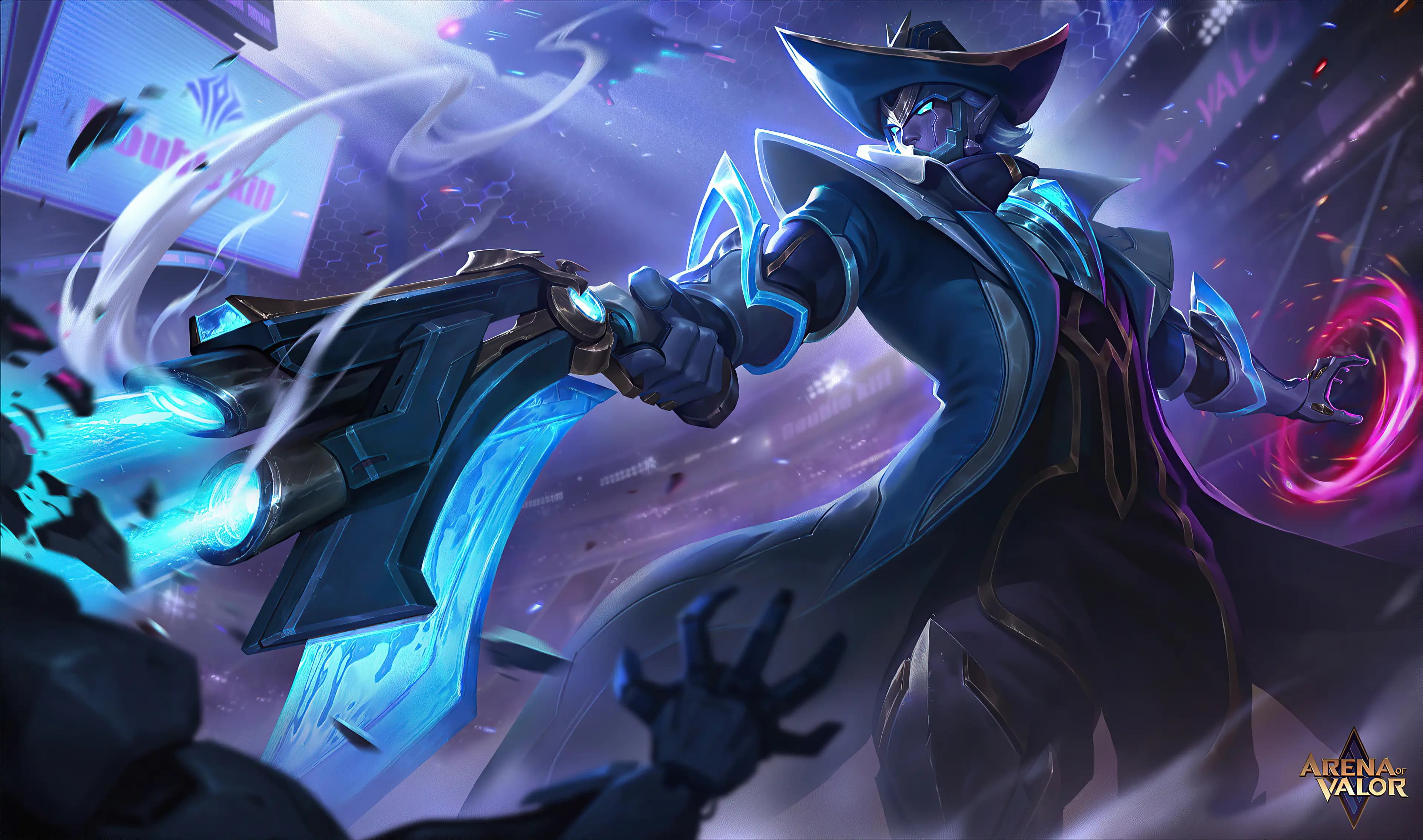
Let me put it the way most players experience it. You load into a match in Arena of Valor, things don’t start great, and you tell yourself: okay, just don’t die. So you sit a bit deeper, play around your tower, clear waves, and avoid messy fights.
Contents
- What Happens If You Only Play Defense in Arena of Valor?
- What Actually Happens When You Stay Defensive Too Long
- It’s Not One Big Mistake
- The Map Slowly Slips Away
- Why Playing Only Defense Feels Safe (But Isn’t)
- “I Didn’t Die” Isn’t Enough
- It Changes How Your Team Plays
- When Defense Actually Makes Sense
- Short, Controlled Moments
- You Need a Way Out
- Playing a Bit More Actively (Without Overforcing)
- You Don’t Need Big Plays
- Make the Enemy Think
- Decisions Matter More Than Extras
- Final Thoughts
What Happens If You Only Play Defense in Arena of Valor?
Let me put it the way most players experience it.
You load into a match in Arena of Valor, things don’t start great, and you tell yourself: okay, just don’t die. So you sit a bit deeper, play around your tower, clear waves, and avoid messy fights.
Nothing looks wrong at first.
But a few minutes later, the map feels… smaller. You don’t see enemies clearly, rotations catch you off guard, and somehow your team is behind—even though you didn’t really “throw” anything.
That’s usually the point where pure defense starts showing its downside.
What Actually Happens When You Stay Defensive Too Long
It’s Not One Big Mistake
Most losses like this don’t come from a single bad play. It’s quieter than that.
You hold your lane → enemy takes jungle nearby.
You clear safely → they move first to mid.
You hesitate → they secure an objective.
None of these moments feel dramatic. But stacked together, they change the whole game.
The Map Slowly Slips Away
In Arena of Valor, control isn’t just about kills. It’s about who moves first and who feels comfortable moving at all.
If you stay back too much, the enemy starts walking into areas you used to control. Then they place pressure, and suddenly you’re the one reacting all the time.
Why Playing Only Defense Feels Safe (But Isn’t)
“I Didn’t Die” Isn’t Enough
A lot of players measure their game by deaths. Low deaths = good game. But that’s only part of the picture.
If you’re not helping with pressure, rotations, or objectives, you’re not really shaping the match. You’re just staying in it.
It Changes How Your Team Plays
This part is easy to miss.
When one player stays passive, others start adjusting. Someone tries to force a fight. Someone else overextends to make up for lost pressure. Communication drops.
You didn’t do anything wrong directly—but the balance is gone.
When Defense Actually Makes Sense
Short, Controlled Moments
There are times where slowing things down is the right call. Maybe your team needs time. Maybe you’re waiting for an item or a better position.
That’s fine.
But it should feel temporary, not like your only plan.
You Need a Way Out
The difference is simple: good players don’t stay there.
They defend, clear the wave, then look around. Is there a fight forming? Can they rotate? Is there something to pressure?
Even a small move can reset the pace.
Playing a Bit More Actively (Without Overforcing)
You Don’t Need Big Plays
A lot of improvement comes from small things. Showing up slightly earlier. Helping in a nearby fight. Pushing one extra wave before rotating.
Nothing flashy—just more presence.
Make the Enemy Think
If the enemy never feels pressure, they play comfortably. The moment you start appearing in different places, even briefly, they slow down. That hesitation creates chances.
Decisions Matter More Than Extras
Some players look for external boosts—like whether to buy kupon or how to use Arena of Valor kupon options better.
That can help on the side, sure. But inside the match, it still comes down to simple choices: where you go, when you move, and what you do next.
Final Thoughts
Playing only defense doesn’t instantly lose the game. It just slowly removes your influence from it.
You’re there, but not really changing anything.
Over time, that’s what makes matches feel harder than they should.
If there’s one small shift that helps, it’s this: don’t wait for the game to come to you every time. Step forward when there’s an opening—even a small one.
And if you ever look into improving things outside the match itself, many players keep it simple with platforms like mas4games. Nothing complicated—just something that fits into how they already play.